Backlinks: What They Are and Why They Matter for SEO
Some links point from one page on your site to another. Other links come from a completely different website.
Those incoming links are called backlinks. They are one of the best-known parts of SEO because they can help search engines understand which pages other sites consider worth linking to.
This guide explains what backlinks are, how they work, and why they still matter for SEO.
What Are Backlinks?
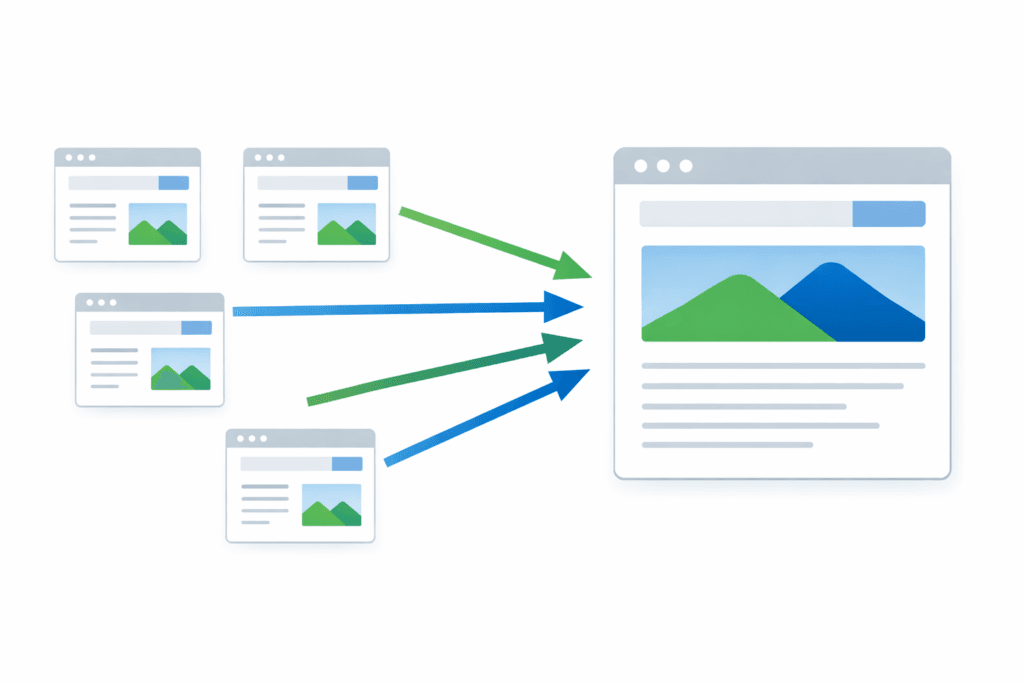
Backlinks are links from another website to your website.
If another site links to one of your pages, that link becomes a backlink for you. From their side, it is an external or outbound link. From your side, it is a backlink.
This is one reason people often compare backlinks with other link types, such as internal and external links.
Why Backlinks Matter
Backlinks matter because they can help search engines discover pages and understand which content other websites consider useful enough to reference.
They can also bring referral traffic. If someone clicks a backlink on another site, they land on your page directly.
Not every backlink carries the same value, but backlinks still play a major role in how pages gain visibility over time.
How Backlinks Work
When one website links to another, it creates a connection between the two pages. Search engines can use that connection as one of many signals when evaluating the destination page.
A strong backlink profile can help a page gain more attention than it would get on its own. Pages with good backlinks can also support other relevant pages through a wider internal linking strategy.
Backlinks vs Internal Links
Backlinks and internal links are not the same thing. Backlinks come from other websites. Internal links connect pages on your own site.
You do not fully control backlinks because other site owners create them. Your internal links are different. You decide how support moves through your own pages.
Backlinks and internal links work best together. A page can earn authority through backlinks, then pass support to related pages through internal links. You can see that idea more clearly in this guide to link juice.
Referring Domains vs Backlinks
These two terms are related, but they are not identical.
A backlink is a single link pointing to your site. A referring domain is the website that sends one or more of those links.
For example, if one website links to your page three times, that gives you three backlinks from one referring domain.
Types of Backlinks
Backlinks can come from different places, and some are more useful than others.
- Editorial backlinks from articles or guides
- Guest post backlinks
- Directory or resource page backlinks
- Forum or comment backlinks
- Image or citation backlinks
Some of these links are more valuable than others. Links placed naturally inside useful content often matter more than links dropped into weak pages.
What Makes a Good Backlink?
A good backlink usually comes from a relevant page on a trustworthy site.
It should make sense in context. The linking page should have a real reason to point readers to your content.
The anchor text also matters. It helps explain what the destination page is about. It matters in backlink analysis as well as internal linking, which is why anchor text deserves attention.
What Makes a Bad Backlink?
A bad backlink often comes from a spammy, irrelevant, or manipulative source. It may exist only to influence rankings rather than help users.
Google’s spam policies warn against link schemes and other practices designed to manipulate search results. That includes certain paid links and other unnatural linking tactics.
A weak backlink will not always damage your site. But backlink quality matters more than raw numbers.
Do Nofollow, Sponsored, and UGC Links Matter?
Some backlinks carry attributes like nofollow, sponsored, or ugc. These attributes help describe the relationship behind the link.
For example, sponsored links are meant for ads or paid placements. UGC links are meant for user-generated content such as forum posts or comments.
These links are different from ordinary editorial links, but they still matter when you are reviewing a backlink profile.
How Backlinks Help the Rest of Your Site
One strong page can support more than itself. If a page earns good backlinks, you can use internal links to connect that page to other relevant content on your site.
Backlinks and internal links work well together. A page can earn outside support, and your internal links can direct some of that support to related pages.
Pages with strong backlinks are worth reviewing during internal link analysis and internal link audits.
How to Check Backlinks
You can check backlinks with backlink analysis tools. These tools show which sites link to you, which pages earn links, and what anchor text those links use.
Once you know which pages have earned the strongest backlinks, you can review how well those pages support the rest of your site. On a larger content site, internal linking plugins can help with that second step by showing where stronger pages can support weaker ones.
Common Backlink Mistakes
One mistake is chasing large numbers of weak links instead of aiming for relevant ones.
Another mistake is ignoring the pages that already earned backlinks. Those pages may be your best opportunities for stronger internal support.
It is also a mistake to treat backlinks as the whole SEO strategy. They matter, but they work best when the rest of the site is well organized.
Conclusion
Backlinks are links from other websites to your pages. They can help search engines discover your content and understand which pages other sites consider worth referencing.
They become even more useful when your internal linking is strong. Once a page earns backlinks, the next step is to understand how link value moves through your site and how your internal links can support the pages that need it most.