External Links: What They Are and Why They Matter for SEO
Some links keep readers on your site. Others send them somewhere else.
Those outbound links are called external links. They point from your website to a different website.
This guide explains what external links are, how they work, and why they still matter for SEO.
What Are External Links?
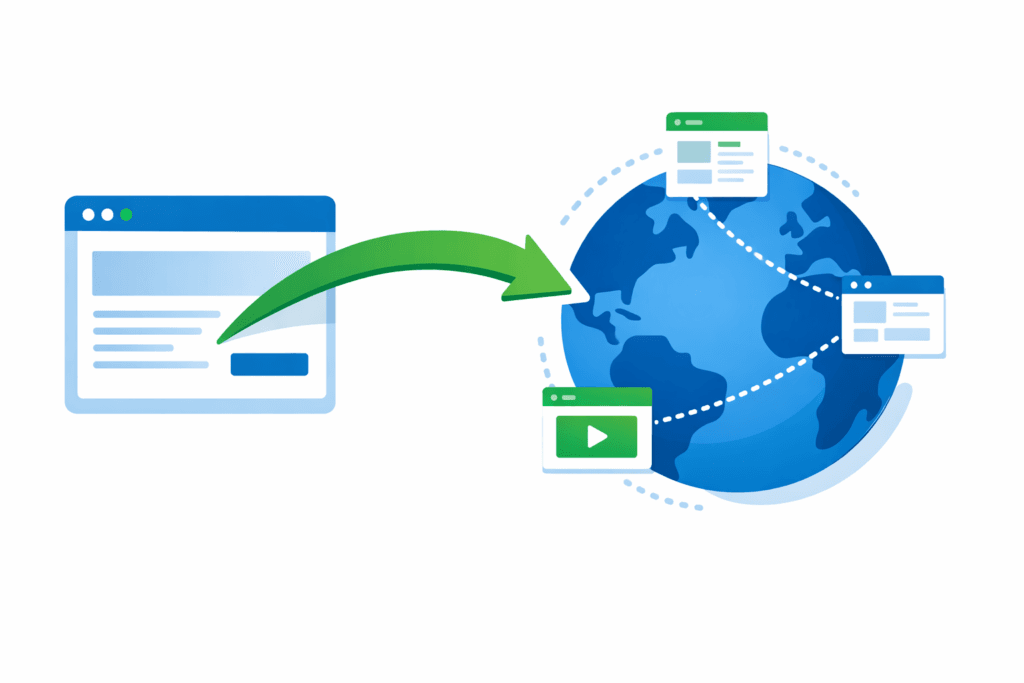
External links are links that point from your website to another website.
If you link to a study, a tool, a news report, or another blog on a different domain, that link is an external link.
They are the opposite of internal links, which connect pages on the same site.
External Links vs Backlinks
External links and backlinks are related, but they are not the same thing.
An external link is a link you place from your site to another site. A backlink is a link another site places to your page.
So the same link can be an external link for one site and a backlink for the other.
Why External Links Matter
External links give readers extra context. They let you point to original research, useful tools, official documentation, or supporting sources.
They also help search engines understand how your content connects to other pages on the web. A well-placed external link can make your article more useful and easier to trust.
That does not mean every article needs a long list of outside links. It means the links you add should have a clear purpose.
Do External Links Help SEO?
External links can help SEO when they improve the page for readers.
For example, linking to a strong source can support a claim, add context, or point readers to the original information. That makes the page more useful.
They are not a shortcut to rankings on their own. But relevant external links can strengthen the quality of a page when they are used well.
What Makes a Good External Link?
A good external link should be relevant to the point you are making.
It should also lead to a page that is trustworthy and worth the click. Official documentation, original studies, respected industry resources, and strong reference pages are usually better choices than weak or spammy pages.
The anchor text matters too. Readers should have a clear idea of where the link leads before they click it.
What Makes a Bad External Link?
A bad external link usually points to a weak, irrelevant, or untrustworthy page.
It may also be outdated, broken, or added only to manipulate search rankings. Links like that do not help the reader, and they do not improve the page.
If you would not want to recommend the page to a real reader, it is usually not a good external link to keep.
Nofollow, Sponsored, and UGC External Links
Not every external link should be treated the same way.
Some links need extra attributes that explain the relationship behind them. This is especially important for paid links and user-generated links.
- rel=”sponsored” for ads, sponsorships, or paid placements
- rel=”ugc” for user-generated content such as comments or forum posts
- rel=”nofollow” when you do not want to associate your site with the linked page in the usual way
These attributes help search engines understand why the link exists.
Should You Worry About Leaking Authority?
Some site owners avoid external links because they worry about sending authority away from their pages.
That concern usually goes too far. A useful external link is not a problem just because it points away from your site.
If the link helps the reader and supports the content, it can still be worth adding. The real issue is quality, not the simple fact that the link is external.
Common External Linking Mistakes
One mistake is linking to weak sources just to have an outside link on the page.
Another mistake is using vague anchors that do not explain what the linked page is about. A third problem is leaving broken external links in older content.
It is also a mistake to ignore link attributes on sponsored or user-generated links. Those details matter.
How to Audit External Links
External links should be reviewed from time to time, especially on older articles.
Check whether the linked pages still work, whether the sources still make sense, and whether any paid or user-generated links need the right attributes.
If you already review your site structure through an internal link audit, it makes sense to check your external links as part of the same maintenance routine.
External Links and Internal Links Work Together
External links and internal links do different jobs, but both matter.
External links connect your content to the wider web. Internal links connect your own pages and help shape your site structure.
That is why a strong article often needs both. You may cite outside sources with external links, then use internal links to guide readers to related pages on your own site.
When to Add External Links
Add external links when they genuinely improve the page.
That may be when you cite a source, reference official guidance, mention a useful tool, or point to a page that explains something your article only touches on briefly.
If the link gives the reader a better answer or a stronger source, it probably belongs there.
Conclusion
External links are links from your site to another site. They help readers reach useful sources and help connect your content to the wider web.
Used well, they add context, support trust, and strengthen the page. If you also want to understand the other side of off-site linking, the next step is learning how backlinks work.