Internal Link Analysis: What It Is and Why It Matters for SEO
Many websites publish a large number of pages but still struggle to rank well in search results. Often the problem is not content quality. The issue is how pages are connected across the site.
Without a clear view of how pages link to each other, it becomes difficult to understand which pages receive authority and which ones are ignored. This is where internal link analysis becomes important.
This guide explains what internal link analysis is, how it works, and why it matters for SEO.
What Is Internal Link Analysis?
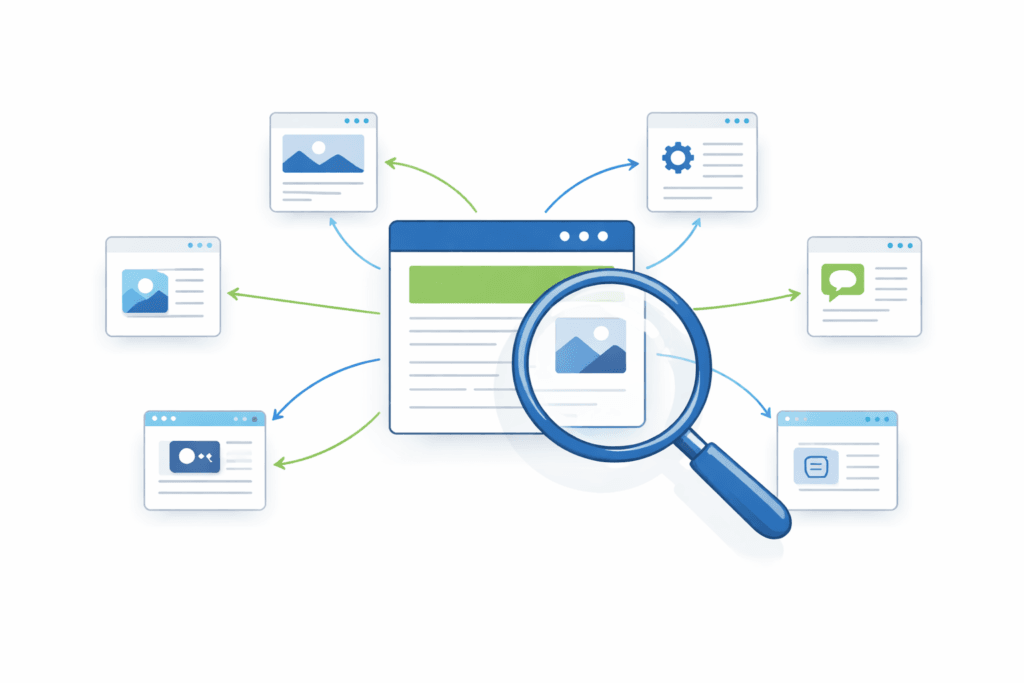
Internal link analysis is the process of examining how pages on a website connect to each other through internal links.
The goal is to understand how link authority flows across the site and whether important pages receive enough internal links. By analyzing internal links, you can see which pages are well connected and which ones are isolated.
This analysis helps reveal weaknesses in the structure of a website. Pages that receive very few internal links may be difficult for users and search engines to discover.
How Internal Link Analysis Works
Internal link analysis usually begins by reviewing how many links point to each page on a website. This includes both incoming internal links and outgoing internal links.
Incoming links show how often other pages reference a specific page. Outgoing links show how that page connects to other content across the site.
By comparing these connections, you can identify pages that receive strong internal support and pages that remain buried deep in the site structure.
Why Internal Link Analysis Matters for SEO
Search engines rely on internal links to discover pages and understand how they relate to each other. A well-structured internal linking system helps search engines crawl the website more efficiently.
Internal link analysis also helps you distribute authority across important pages. When key pages receive more internal links, they often gain stronger visibility in search results.
Without analyzing internal links, important pages may remain buried under layers of content and receive little attention from search engines.
Key Elements to Review During Internal Link Analysis
When analyzing internal links, several factors help reveal the strength of your website structure.
- Number of internal links pointing to each page
- Pages with very few incoming links
- Anchor text used within internal links
- Depth of pages within the website structure
- Pages that are not linked from anywhere else
Reviewing these factors helps you understand whether your website structure supports your most important content.
Common Problems Discovered During Internal Link Analysis
Internal link analysis often reveals structural issues that can weaken a website’s SEO performance.
- Important pages receiving very few internal links
- Content that is buried too deep within the site
- Poor anchor text that does not describe the destination page
- Pages that cannot be reached through internal links
Identifying these issues early makes it easier to correct them before they affect search performance.
How Internal Link Analysis Helps Improve Site Structure
Once you understand how pages are connected, you can improve the overall structure of your website. This often involves adding new internal links to important pages and improving how related topics connect to each other.
Improving internal link distribution helps search engines understand which pages are important and how different topics relate across the site.
Over time, a well-structured internal linking system makes it easier for both users and search engines to navigate your website.
Conclusion
Internal link analysis helps you understand how pages on your website connect and how authority flows between them. By reviewing these connections, you can identify weak areas in your site structure and improve how important pages receive internal links.
Regularly reviewing internal links ensures that your website remains organized, discoverable, and easier for search engines to crawl.