Anchor Text: What It Is and Why It Matters for SEO
Links do more than move readers from one page to another. The words inside those links also matter.
Those words are called anchor text. They help readers understand where a link leads. They also give search engines more context about the linked page.
This guide explains what anchor text is, the main types of anchor text, and why it matters for SEO.
What Is Anchor Text?
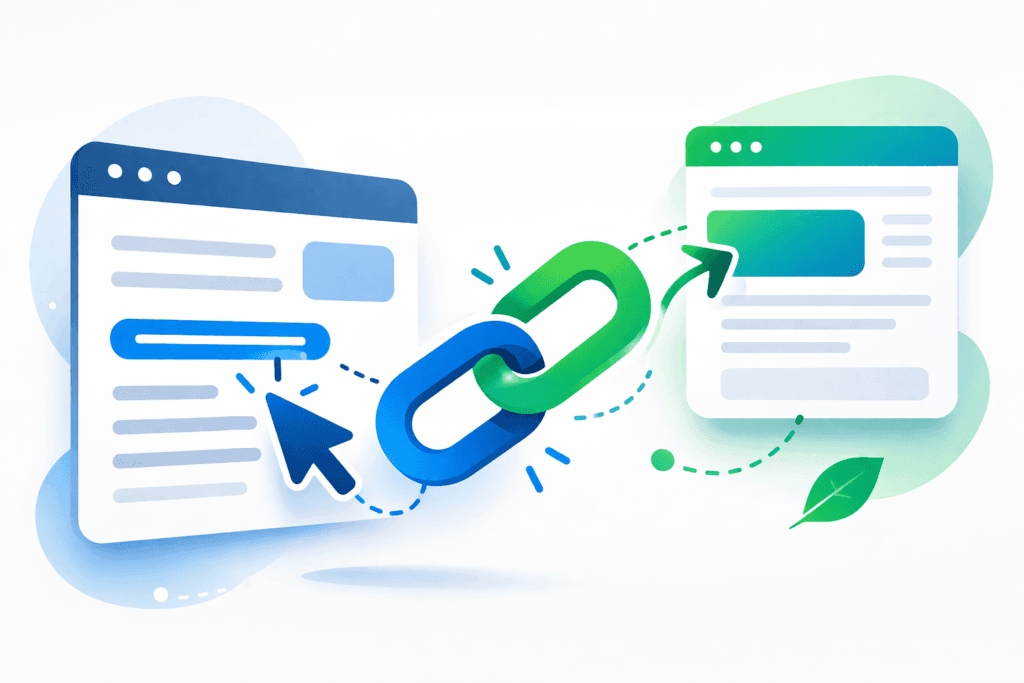
Anchor text is the clickable text in a hyperlink.
When you link one page to another, the visible linked words are the anchor text. In most cases, they appear in a different color or with an underline so readers can spot them easily.
For example, in a sentence about internal linking strategy, the linked words might be “internal linking strategy” or “broken internal links”. Those linked words are the anchor text.
Why Anchor Text Matters
Anchor text gives context. It tells readers what they can expect after clicking the link.
It also helps search engines understand the topic of the destination page. When the anchor text is descriptive, the connection between the two pages becomes easier to understand.
This matters for both internal links and backlinks. On your own site, anchor text helps connect related pages. On other sites, it can shape how backlinks point to your content.
How Anchor Text Works
Every link has a destination. Anchor text is the visible part readers click to reach that destination.
If the text is clear, the link makes sense right away. If the text is vague, readers have to guess where it leads.
That is why descriptive anchor text is usually better than generic phrases. It tells readers where the link leads before they click.
Main Types of Anchor Text
Anchor text comes in several common forms. Knowing these types makes it easier to review how links are used across a site.
Exact Match Anchor Text
Exact match anchor text uses the exact keyword the linked page is targeting.
For example, if a page targets “internal link audit,” an exact match anchor would use those same words as the link text.
Partial Match Anchor Text
Partial match anchor text includes part of the target keyword along with extra words.
This type often sounds more natural inside a sentence. It can also give readers a bit more context.
Branded Anchor Text
Branded anchor text uses a brand name as the link text.
This is common when linking to company homepages, tools, or brand-specific pages.
Generic Anchor Text
Generic anchor text uses vague phrases such as “click here,” “read more,” or “this page.”
These links still work, but they do not give much context. That is why they are usually less useful than descriptive anchors.
Naked URL Anchor Text
Naked URL anchor text uses the full URL as the link text.
This is more common in citations, references, or resource pages than in normal body content.
Image Anchor Text
When an image is linked, the image itself acts as the link. In that case, the image’s alt text helps provide anchor context.
This is one reason alt text matters on linked images. It gives users and search engines more information about the destination.
Anchor Text for Internal Links
Anchor text is especially important in internal linking. You control those links, so you also control the wording used to connect your pages.
Good internal anchor text helps explain how pages relate to each other. It can also support a stronger internal linking strategy by sending clearer signals about your site structure.
For example, if one article links to another article about orphan pages, the anchor should make that topic obvious instead of using a vague phrase.
Anchor Text for Backlinks
Anchor text also matters in backlinks. These are links from other websites to your pages.
You do not always control the anchor text used in backlinks, but it still plays a role in how the linked page is understood. That is one reason anchor text often comes up in backlink analysis and link audits.
What Good Anchor Text Looks Like
Good anchor text is usually clear, relevant, and natural within the sentence.
- It tells readers what the linked page is about
- It fits the surrounding sentence
- It avoids vague wording when better wording is available
- It matches the context of the paragraph
The goal is simple. A reader should have a good idea of where the link leads before clicking it.
Common Anchor Text Mistakes
One common mistake is relying too much on generic phrases. Links like “click here” or “read more” do not tell readers much on their own.
Another mistake is forcing exact keywords into every link. That can make the writing awkward and repetitive.
It is also common to use anchor text that does not match the destination page well. When that happens, the link becomes less useful and can confuse readers. This issue often shows up during internal link analysis.
Does Anchor Text Still Matter for SEO?
Yes, anchor text still matters. It is one of the signals that helps search engines understand linked pages.
It is not the only factor, and it will not fix weak content by itself. But clear anchor text supports better navigation, stronger internal linking, and clearer page relationships.
When Internal Linking Tools Can Help
On a small site, reviewing anchor text manually is usually manageable. On a larger site, it becomes harder to keep track of weak anchors, repeated anchors, and missed linking opportunities.
Internal linking tools can help you review anchor text across many pages at once. They also make it easier to spot links that need better wording or pages that need more internal support. If you want more advanced automation, some AI internal linking tools can also help with this kind of review.
Conclusion
Anchor text is the clickable text inside a link. It helps readers understand where a link leads and gives search engines more context about the destination page.
Used well, anchor text supports both navigation and SEO. It also gives your internal linking structure more clarity as your site grows. The next step after understanding it is learning how to improve it through anchor text optimization.